
 EN
EN
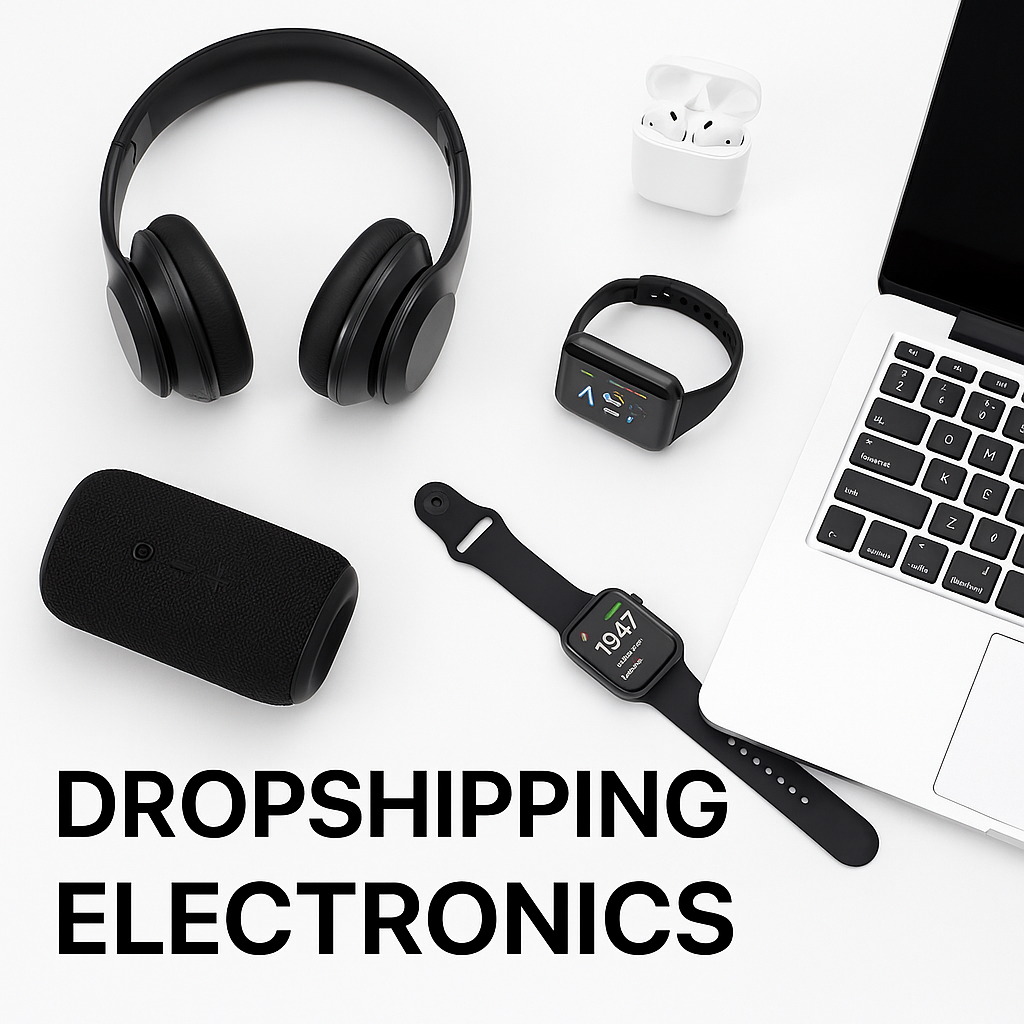
Scaling a newly developed product presents unique challenges that require strategic thinking about distribution channels and operational efficiency. When entrepreneurs and businesses complete the product development phase, they often face the critical question of how to rapidly expand market reach without the burden of traditional inventory management and fulfillment complexities. The transition from product creation to market penetration demands a distribution strategy that can adapt quickly to market feedback while minimizing operational overhead and financial risk.
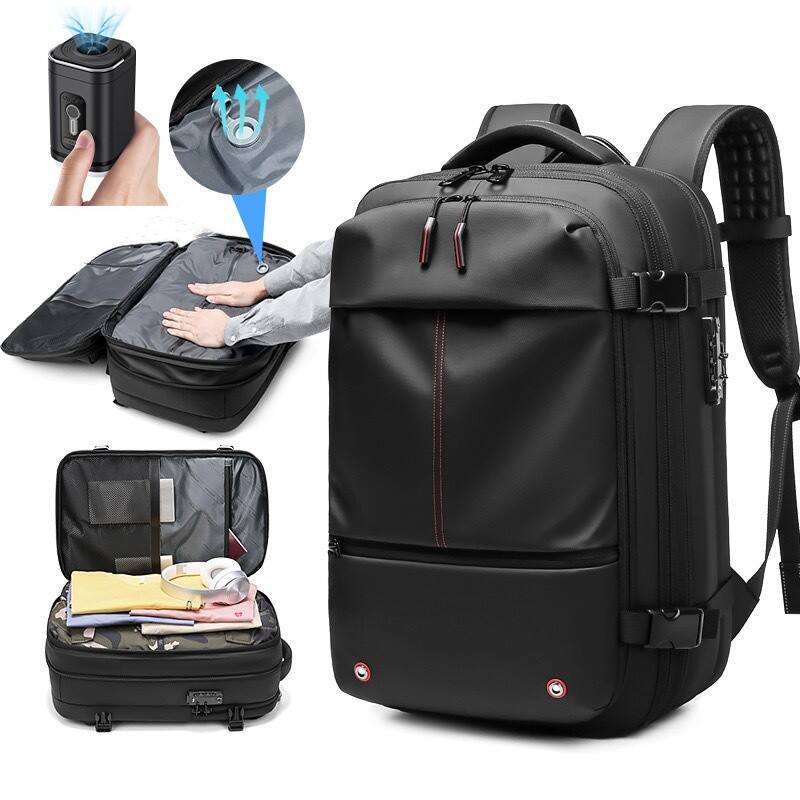
Modern dropshipping models combined with professional fulfillment capabilities offer a powerful solution for rapid product scaling. This approach eliminates the need for substantial upfront inventory investments while providing access to established distribution networks and proven fulfillment infrastructure. By leveraging dropshipping channels alongside dedicated fulfillment services, businesses can achieve remarkable scalability without the operational complexity typically associated with traditional retail expansion.
Understanding the Dropshipping Scaling Framework
Core Components of Rapid Product Scaling
Successful product scaling through dropshipping requires understanding the fundamental components that drive rapid expansion. The dropshipping model creates a streamlined pathway between product creators and end consumers by eliminating traditional inventory storage and shipping responsibilities. This framework allows businesses to focus resources on marketing, customer acquisition, and product refinement rather than warehouse management and logistics coordination.
The scaling framework operates through interconnected systems that automate order processing, inventory management, and customer communication. When properly implemented, dropshipping enables businesses to test market demand across multiple channels simultaneously while maintaining operational flexibility. This approach proves particularly valuable for newly developed products where market reception remains uncertain and demand patterns need validation.
Professional fulfillment capabilities enhance the dropshipping framework by providing reliability and consistency that independent suppliers might not guarantee. These capabilities include quality control measures, packaging standardization, and shipping reliability that protect brand reputation during rapid scaling phases. The combination creates a robust foundation for sustainable growth without compromising customer experience.
Strategic Channel Selection Process
Effective channel selection requires analyzing target market characteristics, product compatibility, and platform requirements before committing to specific dropshipping partnerships. Different dropshipping channels serve distinct customer segments and operate under varying commission structures, shipping requirements, and marketing support systems. Understanding these differences enables strategic decision-making that aligns channel selection with business objectives and customer expectations.
The evaluation process should consider factors such as platform traffic volume, customer demographics, competitive landscape, and integration capabilities with existing business systems. Some dropshipping channels excel at reaching specific geographic markets, while others provide better support for particular product categories or price points. Strategic channel selection involves balancing market reach potential against operational complexity and profit margin requirements.
Market research and competitive analysis inform channel selection decisions by revealing where target customers actively engage with similar products. This intelligence helps prioritize channels that offer the greatest probability of successful market penetration while avoiding oversaturation in highly competitive environments. The goal involves identifying channels where product differentiation can be effectively communicated and competitive advantages can be leveraged.
Implementation Strategies for Rapid Market Penetration
Multi-Channel Dropshipping Deployment
Multi-channel deployment creates multiple pathways to market while diversifying risk and maximizing reach potential. This strategy involves establishing relationships with several dropshipping partners simultaneously, each serving different market segments or geographic regions. The approach requires careful coordination to ensure consistent brand messaging and customer experience across all channels while maintaining operational efficiency.
Successful multi-channel dropshipping requires establishing clear communication protocols with each partner to ensure accurate product information, pricing consistency, and inventory availability updates. This coordination prevents customer confusion and maintains brand integrity across different selling platforms. Regular performance monitoring helps identify which channels deliver the best results and deserve increased focus and resource allocation.
The implementation process involves creating standardized product information packages that can be quickly adapted for different dropshipping platforms while maintaining core messaging consistency. This preparation enables rapid channel expansion when opportunities arise and reduces the time required to establish new partnerships. Standardization also facilitates quality control and ensures that all channels represent the product accurately.
Fulfillment Capability Integration
Professional fulfillment capabilities provide the operational backbone that supports rapid scaling through dropshipping channels while maintaining quality standards and customer satisfaction. These capabilities encompass inventory management, order processing, packaging, shipping, and customer service functions that many individual dropshipping partners cannot provide consistently. Integration with professional fulfillment services creates a competitive advantage by ensuring reliable delivery performance and consistent customer experience.
The integration process requires establishing clear protocols for order routing, inventory updates, and exception handling between dropshipping channels and fulfillment operations. This coordination ensures that orders flow smoothly from customer placement through final delivery while maintaining visibility and control over the entire process. Proper integration also enables real-time inventory management that prevents overselling and customer disappointment.
Advanced fulfillment capabilities include value-added services such as custom packaging, product bundling, and expedited shipping options that can differentiate the product offering in competitive markets. These services enable businesses to create unique value propositions that justify premium pricing and build customer loyalty. The combination of dropshipping reach and fulfillment excellence creates a sustainable competitive advantage.
Operational Excellence and Quality Control
Quality Assurance Throughout the Scaling Process
Maintaining product and service quality during rapid scaling requires implementing systematic quality control measures that operate consistently across all dropshipping channels and fulfillment operations. Quality assurance encompasses product inspection, packaging standards, shipping performance, and customer communication protocols that protect brand reputation while expanding market presence. These measures become increasingly important as order volumes grow and operational complexity increases.
Effective quality control systems include regular audits of dropshipping partner performance, customer feedback analysis, and continuous improvement processes that address identified issues quickly. This proactive approach prevents quality problems from escalating and damaging brand reputation during critical growth phases. Quality metrics should be tracked consistently across all channels to identify performance variations and optimization opportunities.
The quality assurance framework should include contingency plans for handling quality issues, customer complaints, and operational disruptions that might occur during rapid scaling. These plans ensure that problems can be resolved quickly without interrupting overall operations or damaging customer relationships. Preparedness for potential challenges demonstrates professionalism and builds confidence with dropshipping partners and customers alike.
Performance Monitoring and Optimization
Continuous performance monitoring provides the data necessary to optimize dropshipping operations and maximize scaling efficiency. Key performance indicators should include order conversion rates, shipping times, customer satisfaction scores, and partner reliability metrics that collectively indicate overall system health. Regular analysis of these metrics enables proactive adjustments that improve performance before problems become serious.
Optimization efforts should focus on identifying bottlenecks, streamlining processes, and enhancing customer experience across all touchpoints in the dropshipping ecosystem. This includes evaluating partner performance, refining marketing messages, improving product descriptions, and enhancing customer service protocols. Systematic optimization creates compound improvements that accelerate scaling success.
Data-driven decision making enables resource allocation optimization by identifying which channels, partners, and strategies deliver the best return on investment. This intelligence guides strategic decisions about where to increase focus and investment while reducing resources devoted to underperforming elements. Performance monitoring creates the foundation for sustainable, profitable scaling.
Technology Integration and Automation
System Integration for Seamless Operations
Technology integration creates the operational efficiency necessary to manage rapid scaling through multiple dropshipping channels while maintaining accuracy and customer satisfaction. Integrated systems automate order processing, inventory management, and customer communication tasks that would otherwise require significant manual effort and increase error probability. This automation enables businesses to handle increased order volumes without proportional increases in operational staff or complexity.
The integration process involves connecting dropshipping platforms with fulfillment systems, customer relationship management tools, and financial tracking systems to create a unified operational environment. This connectivity ensures that information flows accurately between systems and that all stakeholders have access to real-time data about order status, inventory levels, and performance metrics. Proper integration eliminates information silos and improves decision-making capabilities.
Advanced integration capabilities include automated exception handling, predictive inventory management, and dynamic pricing optimization that enhance operational efficiency and profitability. These features enable businesses to respond quickly to changing market conditions and optimize performance continuously. Technology integration transforms dropshipping from a manual coordination effort into an automated scaling engine.
Automation Strategies for Growth Management
Strategic automation implementation reduces operational overhead while improving accuracy and responsiveness during rapid scaling phases. Automation strategies should prioritize repetitive tasks such as order routing, inventory updates, and customer notifications that consume significant time but add limited strategic value. By automating these functions, businesses can focus human resources on strategic activities such as partner relationship management and market expansion planning.
Effective automation includes intelligent decision-making capabilities that handle routine exceptions and escalate complex issues to human operators when necessary. This balanced approach ensures that automation improves efficiency without compromising flexibility or customer service quality. The automation framework should be scalable to accommodate growth without requiring frequent system modifications or replacements.
Implementation of automation strategies requires careful planning to ensure that automated processes integrate smoothly with existing workflows and partner systems. This planning includes testing procedures, backup systems, and rollback capabilities that protect against automation failures or unexpected issues. Reliable automation creates the operational foundation necessary for sustainable rapid scaling.
Financial Planning and Risk Management
Cost Structure Optimization
Understanding and optimizing the cost structure associated with dropshipping scaling enables sustainable growth while maintaining profitability throughout rapid expansion phases. Cost optimization involves analyzing all components of the dropshipping ecosystem including platform fees, fulfillment costs, marketing expenses, and operational overhead to identify opportunities for efficiency improvements. This analysis guides strategic decisions about resource allocation and pricing strategies.
The optimization process should consider both direct costs such as dropshipping commissions and fulfillment fees, and indirect costs such as customer acquisition expenses and quality control investments. Understanding the total cost of scaling enables accurate pricing decisions and profit margin calculations that support sustainable growth. Cost structure optimization also identifies potential economies of scale that become available as order volumes increase.
Financial planning for dropshipping scaling requires forecasting cash flow requirements, working capital needs, and investment timing to ensure adequate resources are available throughout the growth process. This planning prevents cash flow constraints from limiting scaling opportunities and enables strategic investments in technology, marketing, and partner relationships that accelerate growth. Proper financial planning creates the foundation for controlled, profitable expansion.
Risk Mitigation Strategies
Rapid scaling through dropshipping channels creates various risks that require proactive management to protect business continuity and profitability. Risk mitigation strategies should address potential issues such as partner reliability problems, demand volatility, quality control failures, and competitive responses that could impact scaling success. Identifying and preparing for these risks enables quick responses that minimize negative impact on operations and customer relationships.
Effective risk management includes diversification strategies that reduce dependence on any single dropshipping partner or sales channel while maintaining operational efficiency. This diversification provides resilience against partner-specific problems and market fluctuations that could otherwise disrupt scaling efforts. The risk management framework should include contingency plans for various scenarios and clear protocols for implementing alternative strategies when necessary.
Insurance and legal protections appropriate for dropshipping operations provide additional risk mitigation while supporting professional credibility with partners and customers. These protections include product liability coverage, business interruption insurance, and clear contractual agreements that define responsibilities and procedures for handling various operational scenarios. Comprehensive risk management demonstrates professionalism and builds confidence with all stakeholders in the scaling process.
FAQ
How quickly can dropshipping channels scale a new product compared to traditional retail methods?
Dropshipping channels can typically scale a new product 3-5 times faster than traditional retail methods because they eliminate inventory investment, warehouse setup, and distribution infrastructure requirements. Most dropshipping partnerships can be established within 2-4 weeks, while traditional retail expansion often requires 3-6 months for inventory procurement, storage setup, and distribution network development. The speed advantage comes from leveraging existing infrastructure and established customer bases rather than building these capabilities from scratch.
What fulfillment capabilities are most important for supporting rapid dropshipping growth?
The most critical fulfillment capabilities for supporting rapid dropshipping growth include automated order processing, real-time inventory management, quality control systems, and scalable shipping operations. Automated order processing ensures that increased order volumes can be handled without proportional staff increases, while real-time inventory management prevents overselling across multiple channels. Quality control systems maintain customer satisfaction during rapid expansion, and scalable shipping operations provide consistent delivery performance as volumes grow.
How can businesses maintain quality control when scaling rapidly through multiple dropshipping partners?
Maintaining quality control during rapid dropshipping scaling requires establishing standardized procedures, implementing regular partner audits, and creating clear communication protocols across all channels. Businesses should develop detailed quality standards documentation that all partners must follow, conduct periodic performance reviews with measurable metrics, and maintain direct customer feedback channels to identify quality issues quickly. Additionally, having backup partners and alternative fulfillment options provides flexibility to address quality problems without interrupting operations.
What are the typical cost implications of scaling through dropshipping versus building internal fulfillment capabilities?
Scaling through dropshipping typically requires 60-70% lower upfront investment compared to building internal fulfillment capabilities, as it eliminates warehouse leasing, equipment purchases, and staff hiring costs. However, dropshipping often involves higher per-unit costs due to partner margins and fees. The break-even point usually occurs when consistent monthly order volumes exceed 500-1000 units, depending on product margins and operational complexity. Dropshipping provides better cash flow management and lower risk during initial scaling phases, while internal fulfillment becomes more cost-effective at higher volumes.
Table of Contents
- Understanding the Dropshipping Scaling Framework
- Implementation Strategies for Rapid Market Penetration
- Operational Excellence and Quality Control
- Technology Integration and Automation
- Financial Planning and Risk Management
-
FAQ
- How quickly can dropshipping channels scale a new product compared to traditional retail methods?
- What fulfillment capabilities are most important for supporting rapid dropshipping growth?
- How can businesses maintain quality control when scaling rapidly through multiple dropshipping partners?
- What are the typical cost implications of scaling through dropshipping versus building internal fulfillment capabilities?