
 EN
EN
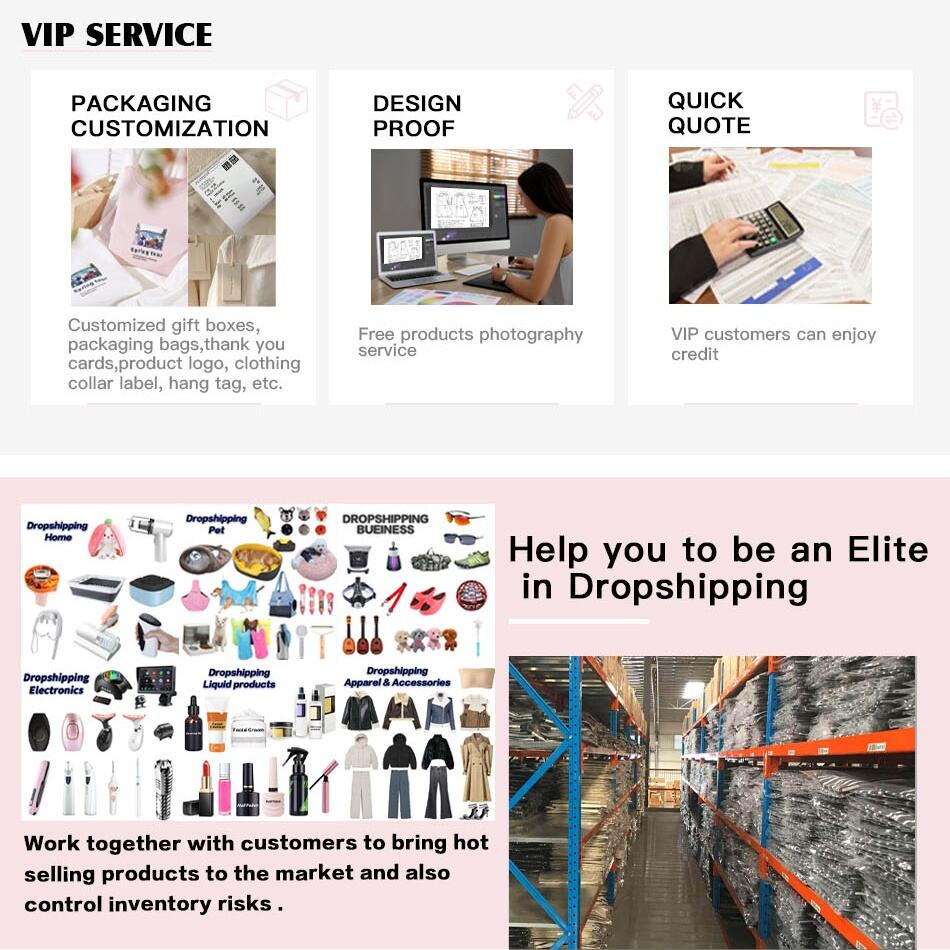
The success of any dropshipping business hinges on one critical factor: the ability of your suppliers to adapt quickly to changing market demands and emerging product trends. In today's fast-paced e-commerce landscape, consumer preferences shift rapidly, seasonal patterns create dramatic sales spikes, and viral products can emerge overnight. The most successful dropshipping entrepreneurs understand that their supplier relationships are the backbone of their operations, and choosing suppliers who can scale and pivot effectively makes the difference between thriving and merely surviving. The challenge lies in identifying which dropshipping suppliers possess the flexibility, inventory management capabilities, and market responsiveness needed to support your business through various seasonal cycles and trend fluctuations.
Understanding Seasonal Demand Patterns in Dropshipping
Identifying Peak Shopping Seasons
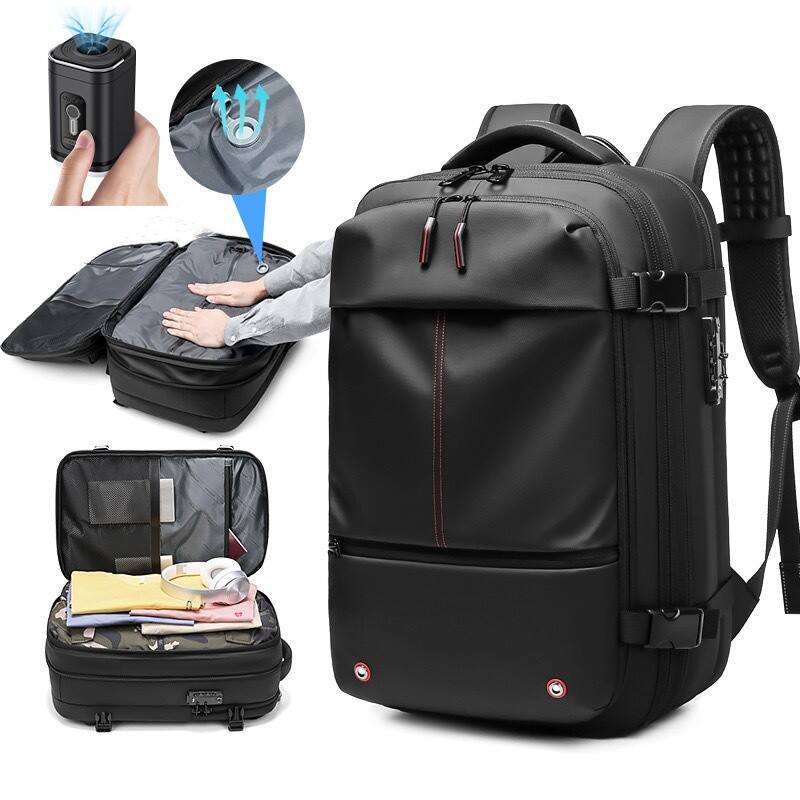
Seasonal demand patterns create both opportunities and challenges for dropshipping businesses, requiring suppliers who understand and prepare for these cyclical changes. The most obvious seasonal spikes occur during traditional shopping periods like Black Friday, Cyber Monday, and the holiday season between November and December. However, experienced dropshipping suppliers recognize that seasonal demand extends far beyond these obvious periods. Summer months bring increased demand for outdoor gear, travel accessories, and fitness equipment, while back-to-school seasons create surges in organizational products, tech accessories, and educational supplies. Valentine's Day drives romantic gift purchases, Mother's Day increases demand for personalized items, and seasonal weather changes affect everything from clothing to home improvement products.
The most adaptable dropshipping suppliers maintain detailed historical data about seasonal trends and use this information to anticipate demand fluctuations. They understand that successful seasonal adaptation requires more than just increasing inventory levels during peak periods. It involves adjusting product offerings, modifying marketing strategies, and ensuring fulfillment capabilities can handle increased order volumes without compromising quality or delivery times. Smart suppliers also recognize emerging seasonal trends, such as the growing importance of Earth Day for eco-friendly products or the increasing popularity of Halloween decorations that extend the shopping season well into October.
Managing Off-Season Inventory Challenges
While peak seasons present obvious opportunities, the real test of supplier adaptability lies in how they manage off-season periods and inventory transitions. Professional dropshipping suppliers understand that maintaining optimal inventory levels year-round requires sophisticated planning and flexible storage solutions. During off-seasons, suppliers must balance maintaining adequate stock for consistent sales while avoiding overstock situations that tie up capital and warehouse space. This balance becomes particularly challenging for seasonal products with limited shelf life or rapidly changing technology specifications.
Effective suppliers implement dynamic inventory management systems that automatically adjust stock levels based on historical data, current trends, and predictive analytics. They maintain relationships with multiple manufacturers and distributors to ensure product availability during unexpected demand spikes while having exit strategies for slow-moving inventory. The best dropshipping suppliers also use off-season periods strategically, focusing on product development, supplier relationship building, and system improvements that will support better performance during peak periods. They understand that off-season success often determines peak-season profitability.
Evaluating Supplier Flexibility and Responsiveness
Technology Infrastructure and System Integration
Modern dropshipping requires suppliers with robust technology infrastructure capable of handling rapid changes in product offerings, inventory levels, and order processing requirements. The most adaptable suppliers invest heavily in integrated systems that provide real-time inventory updates, automated order processing, and seamless communication channels with their dropshipping partners. These systems must be capable of scaling quickly during peak demand periods while maintaining accuracy and reliability. Advanced suppliers utilize API integrations that allow instant product catalog updates, pricing changes, and inventory synchronization across multiple sales channels.
Technology infrastructure also determines how quickly suppliers can respond to emerging trends and seasonal demands. Suppliers with sophisticated systems can rapidly onboard new products, adjust pricing strategies, and modify fulfillment processes to accommodate changing market conditions. They maintain redundant systems and backup processes that ensure continued operations even during peak stress periods. The most forward-thinking dropshipping suppliers also invest in artificial intelligence and machine learning capabilities that help predict demand patterns and optimize inventory management automatically.
Communication and Relationship Management
The quality of communication between dropshipping suppliers and their partners often determines success during challenging periods of rapid change or high demand. Exceptional suppliers maintain dedicated account management teams that proactively communicate about potential issues, upcoming product launches, and seasonal preparation strategies. They provide regular updates about inventory levels, shipping delays, and quality issues before these problems impact customer orders. Effective communication systems include multiple channels such as email, phone, live chat, and integrated dashboard notifications that ensure critical information reaches the right people at the right time.
Relationship management extends beyond basic communication to include collaborative planning and strategic partnership development. The best suppliers work closely with their dropshipping partners to understand business goals, target markets, and growth projections. They provide market insights, trend analysis, and product recommendations that help their partners make informed decisions about product selection and marketing strategies. These suppliers also maintain flexibility in terms and conditions, offering adjusted payment terms during slow periods and priority processing during peak seasons to support their partners' cash flow and operational needs.
Product Trend Adaptation and Innovation
Identifying and Sourcing Trending Products
The ability to quickly identify and source trending products separates exceptional dropshipping suppliers from average ones. Leading suppliers maintain extensive market research capabilities that monitor social media trends, search engine data, competitor activities, and consumer behavior patterns. They have established relationships with manufacturers and product developers who can rapidly produce items that capitalize on emerging trends. This network includes both large-scale manufacturers for proven products and smaller, more agile producers who can create custom or modified items for niche trends.
Successful trend adaptation requires suppliers to balance speed with quality control. The most effective dropshipping suppliers have streamlined processes for evaluating new products, conducting quality tests, and obtaining necessary certifications before adding items to their catalogs. They understand that being first to market with trending products provides competitive advantages, but rushing inferior products to market can damage long-term relationships and brand reputation. Smart suppliers also recognize that not every trend will be profitable or sustainable, so they maintain diversified product portfolios that include both trending items and proven evergreen products.
Customization and Private Label Capabilities
Advanced dropshipping suppliers offer customization and private label services that allow their partners to differentiate their offerings and build brand recognition. These capabilities become particularly valuable when adapting to seasonal demands and product trends, as they enable rapid development of unique variations on popular themes. Suppliers with customization capabilities can modify existing products to match seasonal aesthetics, add personalization options that increase perceived value, or create exclusive variations that help their partners stand out in crowded markets.
Private label services enable dropshipping businesses to develop their own branded versions of trending products, creating stronger customer loyalty and higher profit margins. The most capable suppliers maintain relationships with manufacturers who can produce custom packaging, modify product designs, and implement quality control processes that meet specific brand standards. They also provide support services such as graphic design assistance, product photography, and marketing material development that help their partners launch private label products successfully. These value-added services become particularly important during competitive seasonal periods when unique positioning can determine market success.
Quality Control and Fulfillment Scalability
Maintaining Standards During Peak Periods
Quality control becomes increasingly challenging as order volumes surge during peak seasonal periods or viral product trends. The most reliable dropshipping suppliers have implemented systematic quality control processes that remain consistent regardless of order volume fluctuations. These processes include incoming product inspections, random quality audits, and customer feedback monitoring systems that quickly identify and address quality issues. Effective suppliers also maintain quality control standards throughout their entire supply chain, from manufacturer relationships to warehouse operations and shipping procedures.
Scalability in quality control requires both technological solutions and human resource flexibility. Advanced suppliers utilize automated inspection equipment, barcode tracking systems, and quality management software that can handle increased throughput without compromising accuracy. They also maintain trained quality control staff who can be rapidly deployed during peak periods and have established protocols for handling quality issues that minimize customer impact. The best suppliers view quality control as a competitive advantage rather than a cost center, understanding that consistent quality builds long-term customer relationships and reduces return rates that can overwhelm fulfillment operations during busy periods.
Shipping and Logistics Flexibility
Shipping and logistics capabilities often determine whether dropshipping suppliers can successfully adapt to seasonal demand and trend-driven order spikes. The most adaptable suppliers maintain relationships with multiple shipping carriers and have negotiated flexible capacity agreements that provide priority processing during peak periods. They offer various shipping options that allow their partners to balance cost and delivery speed based on customer expectations and competitive requirements. Advanced suppliers also provide international shipping capabilities that enable their partners to capitalize on global market opportunities and seasonal variations in different regions.
Logistics flexibility extends beyond basic shipping services to include warehousing capabilities, order processing scalability, and inventory management systems. Effective dropshipping suppliers maintain strategically located warehouse facilities that minimize shipping times and costs while providing redundancy during peak demand periods. They have implemented automated order processing systems that can handle dramatic volume increases without creating bottlenecks or errors. The most sophisticated suppliers also offer value-added services such as gift wrapping, custom packaging, and expedited processing that help their partners differentiate their offerings during competitive seasonal periods.
Building Long-Term Supplier Partnerships
Performance Metrics and Accountability
Establishing clear performance metrics and accountability standards ensures that dropshipping suppliers remain focused on adaptability and responsiveness over the long term. Effective partnerships include agreed-upon key performance indicators that measure inventory availability, order accuracy, shipping times, and quality standards. These metrics should be regularly reviewed and adjusted to reflect changing market conditions and business growth. The most successful partnerships also include incentive structures that reward suppliers for exceptional performance during challenging periods and continuous improvement initiatives that drive innovation and efficiency gains.
Accountability systems must include both positive reinforcement for excellent performance and corrective action procedures for addressing deficiencies. Leading suppliers welcome performance measurement and actively participate in improvement planning processes. They provide detailed reporting on performance metrics and proactively communicate about potential issues before they impact customer orders. The best supplier relationships also include regular strategic planning sessions where both parties discuss market trends, growth opportunities, and operational improvements that will enhance adaptability and competitive positioning.
Strategic Collaboration and Growth Planning
Long-term success in dropshipping requires suppliers who view their relationships as strategic partnerships rather than transactional arrangements. The most valuable suppliers invest time and resources in understanding their partners' business models, target markets, and growth objectives. They provide market intelligence, trend analysis, and strategic recommendations that help their partners make informed decisions about product selection, pricing strategies, and market expansion opportunities. These suppliers also collaborate on long-term planning initiatives that ensure adequate capacity and capability development to support future growth and market changes.
Strategic collaboration includes joint investment in technology improvements, process optimization, and market development initiatives that benefit both parties. Forward-thinking suppliers participate in product development projects, co-invest in marketing campaigns, and share risks associated with new market entry or product launches. They maintain open communication about capacity constraints, growth limitations, and investment requirements that might impact future partnership effectiveness. The most successful dropshipping suppliers also provide business development support, including introductions to complementary service providers, access to industry networks, and participation in trade shows and market research initiatives.
FAQ
How can I assess if my current dropshipping suppliers can handle seasonal demand fluctuations?
Evaluate your suppliers by reviewing their historical performance during previous peak seasons, examining their inventory management systems, and discussing their capacity planning processes. Request detailed information about their warehouse facilities, staff scalability, and backup systems for handling increased order volumes. Ask for references from other clients who have experienced seasonal spikes and verify their ability to maintain quality standards during busy periods. Additionally, review their communication protocols and problem-resolution procedures to ensure they can address issues quickly when they arise.
What questions should I ask potential suppliers about their trend adaptation capabilities?
Inquire about their product research and development processes, including how they identify trending products and their timeline for adding new items to their catalog. Ask about their relationships with manufacturers and their ability to source custom or modified products quickly. Discuss their quality control procedures for new products and their experience with viral or rapidly trending items. Also, explore their technology infrastructure for catalog updates, inventory management, and order processing to ensure they can handle sudden demand changes efficiently.
How important is geographic location when choosing adaptable dropshipping suppliers?
Geographic location affects shipping times, costs, and the ability to respond quickly to market changes, but it's not the only factor to consider. Suppliers closer to your primary markets can provide faster delivery times and lower shipping costs, which becomes crucial during competitive seasonal periods. However, suppliers with advanced logistics networks and multiple warehouse locations can often overcome geographic disadvantages. Focus on evaluating their overall fulfillment capabilities, shipping options, and ability to meet your customers' delivery expectations regardless of their physical location.
What backup plans should I have if my primary suppliers cannot adapt to sudden market changes?
Maintain relationships with multiple suppliers for critical product categories and establish secondary suppliers who can provide alternative products or expanded capacity when needed. Develop clear criteria for when to activate backup suppliers and create streamlined processes for rapid onboarding of new products or suppliers. Consider working with suppliers who offer complementary strengths, such as one focused on trending products and another specialized in consistent inventory availability. Also, maintain emergency contact procedures and escalation processes that enable quick decision-making and supplier transitions when market conditions require immediate action.
Table of Contents
- Understanding Seasonal Demand Patterns in Dropshipping
- Evaluating Supplier Flexibility and Responsiveness
- Product Trend Adaptation and Innovation
- Quality Control and Fulfillment Scalability
- Building Long-Term Supplier Partnerships
-
FAQ
- How can I assess if my current dropshipping suppliers can handle seasonal demand fluctuations?
- What questions should I ask potential suppliers about their trend adaptation capabilities?
- How important is geographic location when choosing adaptable dropshipping suppliers?
- What backup plans should I have if my primary suppliers cannot adapt to sudden market changes?