
 EN
EN
In today's highly competitive e-commerce landscape, businesses are constantly seeking ways to differentiate themselves from the crowd and build brands that resonate with their target audiences. The rise of dropshipping has democratized online retail, allowing entrepreneurs to start businesses with minimal upfront investment. However, the challenge lies in creating a unique brand identity when using the same products as countless other sellers. This is where customizable dropshipping suppliers become invaluable partners in building distinctive, high-conversion brands that stand out in saturated markets.
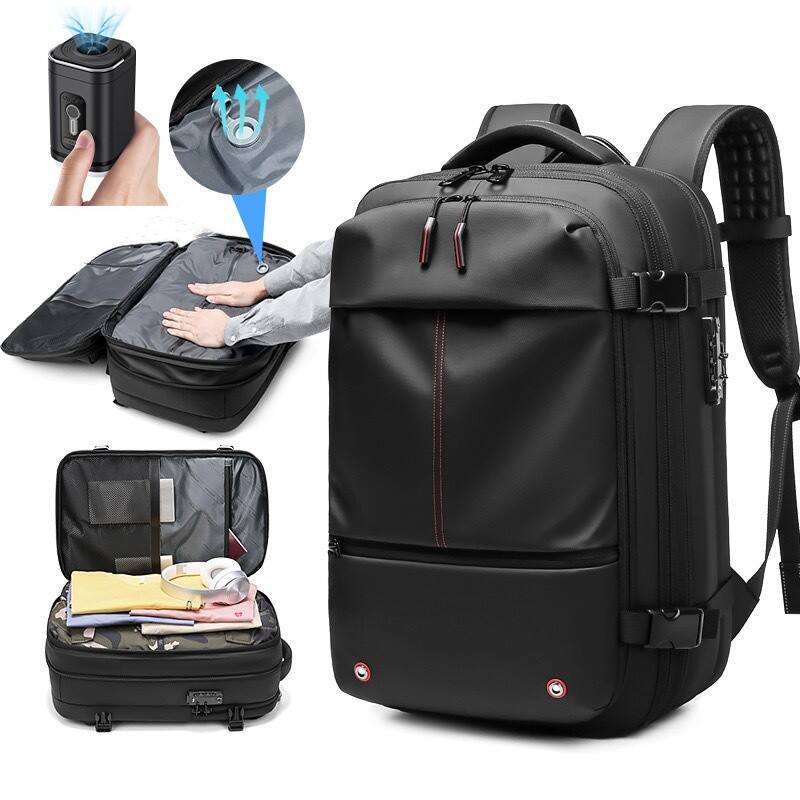
The traditional dropshipping model often results in generic products flooding the market, making it difficult for brands to establish meaningful connections with customers. Customizable dropshipping suppliers offer a solution by providing the flexibility to modify products, packaging, and branding elements while maintaining the operational advantages of dropshipping. This approach enables businesses to create unique value propositions that drive higher conversion rates and foster customer loyalty.
Understanding the strategic importance of customization in dropshipping requires recognizing how consumer behavior has evolved. Modern customers expect personalized experiences and products that reflect their individual preferences and values. Generic offerings no longer suffice in markets where consumers have unlimited options at their fingertips. Customizable dropshipping suppliers bridge this gap by offering the tools and services necessary to transform standard products into branded experiences that resonate with specific target demographics.
Understanding the Customization Advantage in Dropshipping
Product Differentiation Through Customization
Product differentiation represents the cornerstone of successful brand building in competitive markets. Customizable dropshipping suppliers enable businesses to modify existing products to meet specific market demands and customer preferences. This might involve altering color schemes, adding unique features, or incorporating branded elements that align with the company's visual identity. The ability to customize products allows brands to create exclusive offerings that cannot be easily replicated by competitors using standard dropshipping methods.
The differentiation process extends beyond superficial changes to encompass functional improvements and value-added features. Forward-thinking customizable dropshipping suppliers work closely with their partners to identify market gaps and develop product variations that address specific customer pain points. This collaborative approach results in products that not only look different but also perform better or serve unique purposes within their respective market segments.
Successful product differentiation through customization requires understanding target market preferences and competitive landscapes. Brands must conduct thorough market research to identify opportunities for meaningful customization that provides genuine value to customers. This research-driven approach ensures that customization efforts translate into tangible business results rather than superficial changes that fail to impact purchasing decisions.
Brand Identity Development and Consistency
Building a cohesive brand identity requires consistency across all customer touchpoints, from product design to packaging and marketing materials. Customizable dropshipping suppliers play a crucial role in maintaining this consistency by offering comprehensive branding services that extend beyond product modifications. These services typically include custom packaging design, branded inserts, and coordinated color schemes that reinforce brand recognition and recall.
The development of a strong brand identity through customization involves creating visual and functional elements that communicate the brand's values and positioning. This process requires careful consideration of target audience preferences, competitive positioning, and long-term brand strategy goals. Customizable dropshipping suppliers with experience in brand development can provide valuable insights and recommendations that enhance the effectiveness of branding efforts.
Consistency in brand identity development also involves establishing standardized processes and guidelines for customization across different product lines and market segments. This systematic approach ensures that all customized products maintain the same level of quality and brand alignment, regardless of the specific modifications requested. Such consistency builds trust with customers and reinforces brand credibility in competitive markets.
Operational Benefits of Partnering with Customizable Suppliers
Scalability and Flexibility Advantages
The operational advantages of working with customizable dropshipping suppliers extend far beyond product modifications to encompass scalability and flexibility benefits that support business growth. These suppliers typically maintain larger production capacities and more diverse manufacturing capabilities than standard dropshipping partners, enabling them to accommodate growing order volumes and evolving customization requirements without compromising delivery timelines or quality standards.
Flexibility in customization options allows businesses to adapt quickly to changing market trends and customer preferences without significant upfront investments or inventory commitments. This agility proves particularly valuable in fast-moving markets where consumer preferences shift rapidly, and businesses must respond quickly to maintain competitive advantages. Customizable dropshipping suppliers enable this responsiveness by offering modular customization options that can be implemented quickly and cost-effectively.
The scalability benefits become particularly apparent as businesses grow and require more sophisticated customization capabilities. Established customizable dropshipping suppliers often have the infrastructure and expertise to support complex customization projects that involve multiple product variants, advanced branding requirements, and specialized packaging solutions. This scalability ensures that businesses can continue expanding their customization efforts without encountering operational bottlenecks or quality compromises.
Quality Control and Brand Protection
Maintaining consistent quality standards across customized products requires robust quality control processes and experienced manufacturing partners. Reputable customizable dropshipping suppliers implement comprehensive quality assurance programs that cover all aspects of the customization process, from initial design modifications to final packaging and shipping. These programs typically include multiple inspection points, standardized testing procedures, and continuous improvement mechanisms that ensure consistent product quality.
Brand protection becomes increasingly important as businesses invest more heavily in customization and brand development efforts. Customizable dropshipping suppliers with strong intellectual property protection policies and secure manufacturing processes help safeguard proprietary designs and branding elements from unauthorized reproduction or counterfeiting. This protection extends to maintaining confidentiality agreements and implementing secure data management practices that protect sensitive design and business information.
The quality control advantages of working with experienced customizable dropshipping suppliers include access to advanced testing equipment, experienced quality assurance personnel, and established relationships with certified manufacturing facilities. These resources ensure that customized products meet or exceed industry standards and customer expectations, reducing the risk of quality-related issues that could damage brand reputation or result in costly returns and refunds.
Strategic Implementation of Customization Programs
Market Research and Customer Insights
Successful customization programs begin with comprehensive market research and deep customer insights that inform customization strategies and priorities. This research process involves analyzing target customer demographics, preferences, purchasing behaviors, and pain points to identify opportunities for meaningful product modifications and brand differentiation. Customizable dropshipping suppliers with market research capabilities can provide valuable data and insights that enhance the effectiveness of customization efforts.
The market research process should encompass competitor analysis to understand existing customization approaches and identify gaps or opportunities for differentiation. This competitive intelligence helps businesses develop unique customization strategies that provide clear advantages over existing market offerings. Understanding competitor strengths and weaknesses also enables more effective positioning and messaging strategies that highlight the unique benefits of customized products.
Customer insights gathering involves multiple data collection methods, including surveys, focus groups, social media analysis, and sales data review. This comprehensive approach ensures that customization decisions are based on accurate customer preferences rather than assumptions or incomplete information. Regular customer feedback collection also enables continuous refinement of customization strategies to maintain alignment with evolving customer needs and market conditions.
Technology Integration and Automation
Modern customization programs rely heavily on technology integration and automation to manage complex workflows and ensure consistent execution across large order volumes. Advanced customizable dropshipping suppliers typically offer sophisticated technology platforms that enable real-time customization configuration, automated quality control processes, and seamless integration with e-commerce systems and inventory management tools.
The technology integration process involves connecting customization platforms with existing business systems to create streamlined workflows that minimize manual intervention and reduce the risk of errors. This integration enables automated order processing, real-time inventory updates, and coordinated shipping logistics that maintain the operational efficiency advantages of traditional dropshipping while adding customization capabilities.
Automation technologies also enable more sophisticated customization options, such as personalized product recommendations, dynamic pricing based on customization complexity, and automated quality control processes that ensure consistent results across large order volumes. These technological capabilities allow businesses to offer extensive customization options without compromising operational efficiency or increasing labor costs significantly.
Building High-Conversion Brands Through Customization
Customer Experience Enhancement
The customer experience enhancement potential of customization extends throughout the entire purchasing journey, from initial product discovery to post-purchase support and satisfaction. Customizable dropshipping suppliers enable businesses to create unique customer experiences that differentiate their brands from competitors and foster stronger emotional connections with target audiences. These enhanced experiences typically result in higher conversion rates, increased customer lifetime value, and improved brand loyalty metrics.
Customization contributes to customer experience enhancement by providing personalization options that make customers feel valued and understood. This personalization might involve offering multiple customization options during the purchasing process, providing detailed customization previews and visualizations, or enabling customers to create truly unique products that reflect their individual preferences and requirements.
The experience enhancement process also involves creating seamless customization workflows that are intuitive and enjoyable for customers to navigate. User-friendly customization interfaces, clear pricing information, and realistic delivery timelines all contribute to positive customer experiences that encourage purchase completion and repeat business. Customizable dropshipping suppliers with customer experience expertise can provide valuable guidance on optimizing these interfaces and processes.
Conversion Rate Optimization Strategies
Conversion rate optimization through customization involves implementing strategic approaches that leverage unique product offerings and enhanced customer experiences to drive higher purchasing rates. These strategies typically focus on reducing purchasing barriers, increasing perceived value, and creating urgency or exclusivity that motivates immediate action from potential customers.
The optimization process involves continuous testing and refinement of customization options, pricing strategies, and presentation methods to identify the most effective combinations for specific target audiences and market segments. A/B testing of different customization interfaces, pricing models, and product presentation formats enables data-driven optimization decisions that improve conversion rates over time.
Successful conversion rate optimization also requires understanding the relationship between customization complexity and customer decision-making processes. While extensive customization options provide more personalization opportunities, they can also create decision paralysis that reduces conversion rates. Finding the optimal balance between customization options and decision simplicity requires careful analysis of customer behavior data and continuous refinement based on performance metrics.
Long-Term Partnership Development
Supplier Relationship Management
Developing successful long-term partnerships with customizable dropshipping suppliers requires strategic relationship management approaches that align business objectives, establish clear communication protocols, and create mutually beneficial arrangements that support sustainable growth for both parties. These partnerships typically evolve over time from transactional relationships to strategic collaborations that enable more sophisticated customization capabilities and market expansion opportunities.
Effective supplier relationship management involves regular communication about business objectives, market trends, and growth plans to ensure that customization capabilities remain aligned with evolving business needs. This ongoing dialogue enables proactive identification of new customization opportunities and potential challenges that might impact business operations or customer satisfaction levels.
The relationship management process also includes establishing performance metrics and review procedures that ensure consistent service quality and continuous improvement in customization capabilities. Regular performance evaluations, feedback sessions, and collaborative problem-solving approaches help maintain high service standards while identifying opportunities for enhanced efficiency and expanded customization options.
Continuous Innovation and Development
Long-term success with customizable dropshipping suppliers requires commitment to continuous innovation and development of new customization capabilities that keep pace with evolving market demands and competitive pressures. This innovation process typically involves collaborative research and development efforts that explore new customization technologies, materials, and processes that can provide additional differentiation opportunities.
The innovation development process includes regular market analysis to identify emerging trends and customer preferences that might create opportunities for new customization options or improved existing capabilities. Staying ahead of market trends enables businesses to launch innovative customized products before competitors and establish market leadership positions in specific segments or categories.
Successful innovation partnerships also involve sharing market insights, customer feedback, and performance data to inform development priorities and resource allocation decisions. This collaborative approach ensures that innovation efforts focus on customization capabilities that provide the greatest potential for business growth and customer satisfaction improvements.
FAQ
What are the main advantages of working with customizable dropshipping suppliers compared to standard suppliers
Customizable dropshipping suppliers offer significant advantages over standard suppliers, including the ability to differentiate products through modifications, create unique brand identities, and build stronger customer relationships through personalization. These suppliers typically provide more flexible manufacturing capabilities, comprehensive branding services, and higher quality control standards that support premium positioning and improved conversion rates. Additionally, they often offer better scalability options and innovation support that enable long-term business growth and market expansion opportunities.
How can businesses determine the right level of customization for their target market
Determining the optimal customization level requires comprehensive market research, customer surveys, and competitive analysis to understand target audience preferences and willingness to pay for customized products. Businesses should start with basic customization options and gradually expand based on customer feedback and sales performance data. Testing different customization levels through A/B testing and monitoring conversion rates, customer satisfaction scores, and profit margins helps identify the sweet spot between customization complexity and business profitability while ensuring positive customer experiences.
What factors should be considered when evaluating potential customizable dropshipping suppliers
Key evaluation factors include manufacturing capabilities, quality control processes, customization technology platforms, scalability potential, and intellectual property protection policies. Businesses should also assess supplier experience with similar customization projects, communication responsiveness, pricing transparency, and delivery reliability. Financial stability, compliance certifications, and customer references provide additional insights into supplier reliability and long-term partnership potential. Geographic location and time zone compatibility may also impact communication effectiveness and operational coordination.
How do customization programs impact overall business profitability and growth potential
Customization programs typically increase profit margins through premium pricing opportunities while reducing competitive pressure from generic product sellers. Although customization may involve higher upfront costs and longer development timelines, successful programs generate higher customer lifetime value, improved brand loyalty, and better market positioning that supports sustainable growth. The key to profitability lies in balancing customization costs with pricing strategies and focusing on customization options that provide genuine customer value and competitive differentiation that justifies premium pricing structures.
Table of Contents
- Understanding the Customization Advantage in Dropshipping
- Operational Benefits of Partnering with Customizable Suppliers
- Strategic Implementation of Customization Programs
- Building High-Conversion Brands Through Customization
- Long-Term Partnership Development
-
FAQ
- What are the main advantages of working with customizable dropshipping suppliers compared to standard suppliers
- How can businesses determine the right level of customization for their target market
- What factors should be considered when evaluating potential customizable dropshipping suppliers
- How do customization programs impact overall business profitability and growth potential