
 EN
EN
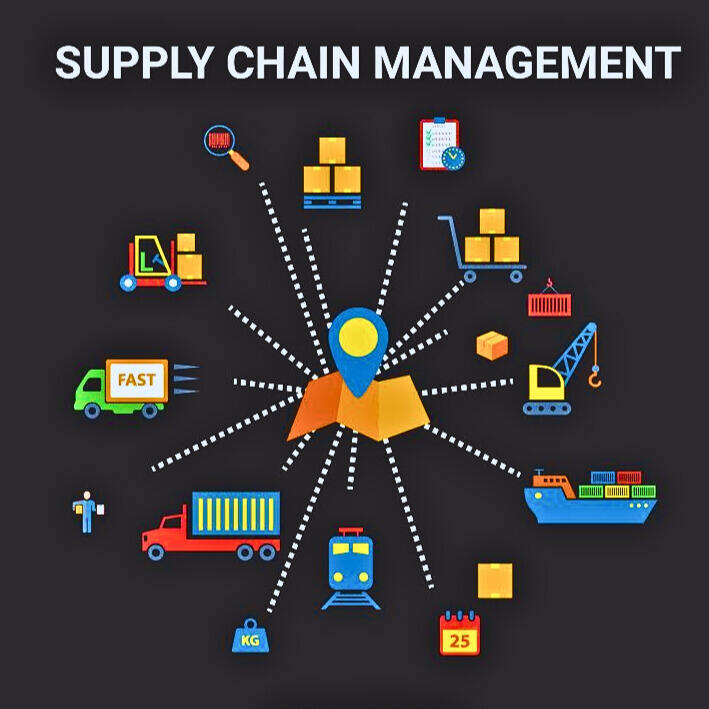
The landscape of global commerce continues to evolve rapidly, with supply chain management at the forefront of organizational transformation. As we approach 2026, businesses worldwide are recognizing that effective supply chain strategies have become critical differentiators in competitive markets. Modern enterprises are investing heavily in technological innovations, sustainability initiatives, and resilience-building measures to optimize their supply chain operations. The lessons learned from recent global disruptions have fundamentally reshaped how companies approach logistics, inventory management, and supplier relationships. Understanding emerging trends in supply chain management will be essential for organizations seeking to maintain competitive advantages and operational efficiency in the coming years.
Digital Transformation and Technological Integration
Artificial Intelligence and Machine Learning Applications
Artificial intelligence is revolutionizing supply chain management by enabling predictive analytics, demand forecasting, and automated decision-making processes. Companies are implementing AI-powered systems to analyze vast amounts of data from multiple sources, including market trends, weather patterns, and consumer behavior. These intelligent systems can identify potential disruptions before they occur, allowing organizations to proactively adjust their supply chain strategies. Machine learning algorithms continuously improve their accuracy by learning from historical data and real-time inputs, making supply chain operations more responsive and efficient.
Advanced AI applications are also transforming inventory optimization by predicting optimal stock levels across multiple locations and product categories. This technology reduces carrying costs while ensuring adequate product availability to meet customer demands. Furthermore, AI-driven route optimization is helping logistics providers minimize transportation costs and delivery times while reducing environmental impact through more efficient resource utilization.
Blockchain Technology for Supply Chain Transparency
Blockchain technology is emerging as a powerful tool for enhancing transparency and traceability throughout supply chain networks. This distributed ledger technology creates immutable records of transactions and product movements, enabling companies to track items from origin to final destination. Enhanced visibility helps organizations verify product authenticity, ensure compliance with regulatory requirements, and build consumer trust through transparent sourcing practices.
Smart contracts built on blockchain platforms are automating payment processes and reducing administrative overhead in supplier relationships. These self-executing contracts automatically trigger payments when predetermined conditions are met, streamlining financial transactions and reducing disputes. As blockchain adoption increases, we can expect to see more standardized protocols that facilitate seamless information sharing across different supply chain partners and platforms.
Sustainability and Circular Economy Initiatives
Carbon Footprint Reduction Strategies
Environmental consciousness is driving significant changes in supply chain management practices, with companies implementing comprehensive carbon reduction strategies across their operations. Organizations are adopting sustainable transportation methods, including electric vehicle fleets and alternative fuel options, to minimize greenhouse gas emissions. Strategic consolidation of shipments and optimization of delivery routes are reducing unnecessary transportation while maintaining service quality standards.
Renewable energy adoption in warehouses and distribution centers is becoming increasingly common as companies seek to reduce their environmental impact. Solar panels, wind energy systems, and energy-efficient lighting solutions are being integrated into facility operations to create more sustainable supply chain infrastructure. These initiatives not only support environmental goals but also provide long-term cost savings through reduced energy expenses.
Circular Supply Chain Models
The transition toward circular economy principles is reshaping traditional linear supply chain models by emphasizing reuse, recycling, and regeneration of materials. Companies are developing reverse logistics capabilities to efficiently collect and process returned products, enabling material recovery and waste reduction. This approach creates new revenue streams while supporting sustainability objectives through extended product lifecycles and reduced raw material consumption.
Collaborative partnerships between manufacturers, retailers, and recycling facilities are essential for successful circular supply chain implementation. These partnerships facilitate the development of closed-loop systems where waste materials from one process become inputs for another, creating more resilient and environmentally responsible supply networks. As regulatory pressures and consumer expectations continue to evolve, circular supply chain models will become increasingly important for long-term business viability.
Supply Chain Resilience and Risk Management
Diversification Strategies for Risk Mitigation
Recent global events have highlighted the importance of building resilient supply chains that can withstand various types of disruptions. Companies are diversifying their supplier bases across multiple geographic regions to reduce dependency on single sources and minimize exposure to localized risks. This geographic diversification helps organizations maintain operational continuity even when specific regions experience natural disasters, political instability, or other disruptive events.
Strategic inventory positioning is another critical component of supply chain resilience, with companies maintaining safety stock at multiple locations to ensure product availability during disruptions. Advanced analytics help determine optimal inventory levels and locations based on historical demand patterns, supplier reliability, and potential risk scenarios. This balanced approach minimizes carrying costs while providing adequate protection against supply interruptions.
Advanced Risk Assessment and Monitoring
Sophisticated risk assessment tools are enabling organizations to identify and evaluate potential threats to their supply chain management operations with greater precision and speed. Real-time monitoring systems track various risk indicators, including weather patterns, geopolitical developments, and supplier financial health, providing early warning capabilities for potential disruptions. These systems integrate data from multiple sources to create comprehensive risk profiles that help decision-makers prioritize mitigation efforts and resource allocation.
Scenario planning and stress testing are becoming standard practices for evaluating supply chain resilience under different adverse conditions. Companies are conducting regular simulations to assess their ability to maintain operations during various disruption scenarios, identifying weaknesses and developing contingency plans. This proactive approach enables organizations to respond more effectively when actual disruptions occur, minimizing operational impact and recovery time.
Automation and Robotics in Supply Chain Operations
Warehouse Automation Technologies
Warehouse automation is transforming distribution center operations through the implementation of advanced robotics and automated systems. Automated guided vehicles, robotic picking systems, and conveyor networks are increasing operational efficiency while reducing labor costs and human error rates. These technologies enable 24/7 operations and can adapt to varying demand levels more effectively than traditional manual processes.
Sophisticated warehouse management systems integrate with automation equipment to optimize inventory placement, order fulfillment processes, and space utilization. Machine learning algorithms continuously analyze operational data to identify improvement opportunities and adjust system parameters for enhanced performance. As automation technology becomes more affordable and accessible, we can expect widespread adoption across supply chain operations of all sizes.
Last-Mile Delivery Innovation
Last-mile delivery is experiencing significant innovation through the deployment of autonomous vehicles, drones, and robotic delivery systems. These technologies address growing consumer expectations for faster and more convenient delivery options while managing increasing delivery volumes and urban congestion challenges. Autonomous delivery solutions can operate during off-peak hours and access areas that may be difficult for traditional delivery vehicles.
Smart locker systems and pickup points are expanding delivery options while reducing failed delivery attempts and associated costs. These solutions provide consumers with flexible pickup options while optimizing delivery routes and reducing the environmental impact of individual deliveries. Integration with mobile applications and tracking systems enhances the customer experience while providing valuable data for continuous improvement of delivery operations.
Data Analytics and Predictive Intelligence
Real-Time Supply Chain Visibility
Enhanced data analytics capabilities are providing unprecedented visibility into supply chain operations, enabling organizations to monitor performance metrics and identify issues in real-time. Advanced sensor technologies, Internet of Things devices, and cloud-based platforms collect and process vast amounts of operational data to create comprehensive dashboards and reporting systems. This increased visibility supports faster decision-making and more effective problem resolution across complex supply chain networks.
Predictive analytics models use historical data and real-time inputs to forecast demand patterns, identify potential bottlenecks, and recommend optimization strategies. These insights help organizations proactively adjust their operations to meet changing market conditions and customer requirements. As data quality and analytical capabilities continue to improve, predictive intelligence will become increasingly accurate and valuable for supply chain planning and execution.
Customer Demand Forecasting
Sophisticated demand forecasting models incorporate multiple data sources, including social media trends, economic indicators, and seasonal patterns, to predict customer demand with greater accuracy. These advanced forecasting capabilities enable organizations to optimize inventory levels, production schedules, and resource allocation to better match supply with anticipated demand. Improved forecast accuracy reduces waste, minimizes stockouts, and enhances customer satisfaction through better product availability.
Machine learning algorithms continuously refine forecasting models by analyzing forecast accuracy and adjusting parameters based on actual outcomes. This continuous improvement process helps organizations adapt to changing market dynamics and consumer behavior patterns. Integration of external data sources, such as weather forecasts and economic trends, further enhances forecasting accuracy for products and markets sensitive to these factors.
FAQ
How will artificial intelligence impact supply chain management in 2026?
Artificial intelligence will significantly transform supply chain management by 2026 through enhanced predictive analytics, automated decision-making, and intelligent optimization of logistics operations. AI systems will provide real-time insights into supply chain performance, predict potential disruptions before they occur, and automatically adjust operations to maintain efficiency. Companies leveraging AI technologies will gain competitive advantages through reduced costs, improved customer service, and increased operational agility in responding to market changes.
What role does sustainability play in future supply chain strategies?
Sustainability will become a central pillar of supply chain management strategies as companies face increasing regulatory requirements and consumer expectations for environmental responsibility. Organizations will implement circular economy principles, reduce carbon footprints through renewable energy adoption, and develop closed-loop systems that minimize waste. Sustainable supply chain practices will not only support environmental goals but also create long-term cost savings and enhance brand reputation in increasingly conscious consumer markets.
How can companies build more resilient supply chains?
Building resilient supply chains requires diversification of suppliers across multiple geographic regions, implementation of advanced risk monitoring systems, and development of flexible operational capabilities. Companies should maintain strategic inventory buffers, establish alternative sourcing options, and invest in technologies that provide real-time visibility into supply chain operations. Regular stress testing and scenario planning help identify vulnerabilities and develop contingency plans for various disruption scenarios.
What technologies will be most important for supply chain optimization?
The most important technologies for supply chain optimization will include artificial intelligence and machine learning for predictive analytics, blockchain for transparency and traceability, Internet of Things devices for real-time monitoring, and automation systems for warehouse and logistics operations. Cloud-based platforms will integrate these technologies to provide comprehensive supply chain visibility and control. Companies that successfully integrate these technologies will achieve significant competitive advantages through improved efficiency, reduced costs, and enhanced customer satisfaction.