
 EN
EN
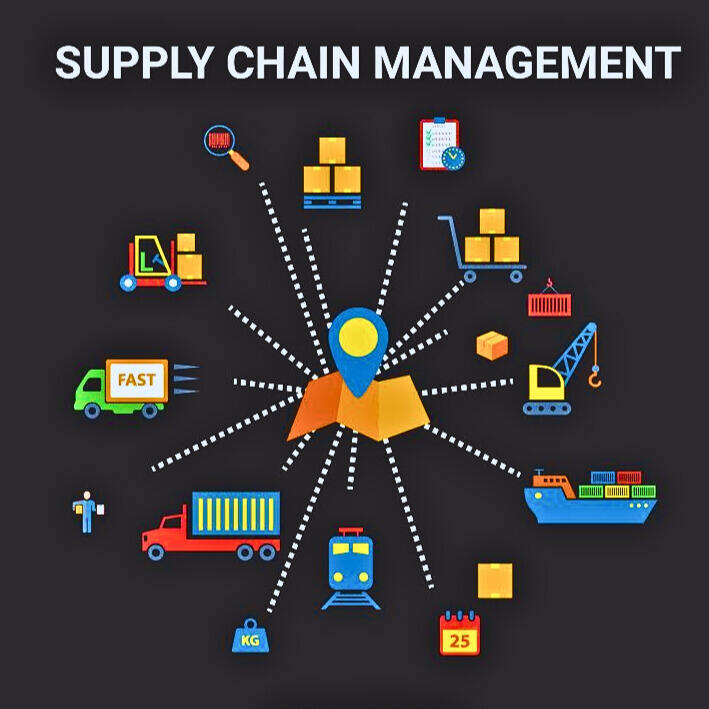
The modern business landscape is witnessing an unprecedented transformation as artificial intelligence reshapes traditional operational frameworks. This technological revolution has profound implications for organizations seeking to optimize their logistics networks, enhance operational efficiency, and maintain competitive advantages in increasingly complex global markets. The integration of intelligent systems represents a paradigm shift that extends far beyond simple automation, fundamentally altering how businesses approach strategic planning and execution.

Organizations worldwide are discovering that artificial intelligence offers transformative capabilities that extend throughout their operational networks. These advanced technologies enable unprecedented visibility into complex processes, facilitate predictive analytics, and support data-driven decision making at every organizational level. The implementation of AI-powered solutions has demonstrated remarkable potential for reducing operational costs while simultaneously improving service quality and customer satisfaction.
Traditional approaches to logistics optimization often relied on reactive strategies and historical data analysis. However, contemporary AI implementations provide proactive solutions that anticipate challenges, identify opportunities, and automatically adjust operational parameters in real-time. This shift from reactive to predictive management represents a fundamental evolution in how businesses approach operational excellence and strategic planning.
Predictive Analytics Transforming Operations
Demand Forecasting Revolution
Advanced machine learning algorithms are revolutionizing demand prediction capabilities by analyzing vast datasets that include historical sales patterns, market trends, seasonal variations, and external economic indicators. These sophisticated systems can identify subtle correlations and patterns that human analysts might overlook, resulting in significantly more accurate forecasting models. The enhanced precision in demand prediction enables organizations to optimize inventory levels, reduce storage costs, and minimize stockout situations.
Modern forecasting systems incorporate multiple data sources including social media sentiment analysis, weather patterns, economic indicators, and competitive intelligence. This comprehensive approach provides organizations with holistic insights that support more informed strategic decision making. The integration of real-time data streams ensures that forecasting models remain current and responsive to rapidly changing market conditions.
Risk Assessment and Mitigation
AI-powered risk assessment tools continuously monitor global events, supplier performance metrics, transportation networks, and market conditions to identify potential disruptions before they impact operations. These systems analyze historical disruption patterns, evaluate supplier reliability scores, and assess geopolitical risks to provide comprehensive risk profiles for every operational component. The proactive identification of potential issues enables organizations to implement contingency plans and alternative strategies before disruptions occur.
Contemporary risk management platforms utilize natural language processing to analyze news feeds, regulatory updates, and industry reports for early warning indicators. This comprehensive monitoring approach ensures that organizations maintain awareness of emerging threats and can adapt their strategies accordingly. The integration of predictive risk modeling with operational planning systems enables seamless implementation of mitigation strategies.
Automation Enhancing Operational Efficiency
Intelligent Warehouse Management
Modern warehouse operations benefit significantly from AI-driven automation systems that optimize storage layouts, coordinate robotic systems, and streamline picking processes. These intelligent systems analyze product characteristics, demand patterns, and operational workflows to determine optimal storage locations and retrieval sequences. The implementation of smart warehouse technologies has demonstrated substantial improvements in order fulfillment speed and accuracy while reducing labor requirements.
Advanced warehouse management systems integrate with inventory tracking technologies to provide real-time visibility into stock levels, location data, and movement patterns. This comprehensive visibility enables dynamic optimization of warehouse operations, including automated replenishment, optimal pick path generation, and efficient space utilization. The continuous learning capabilities of these systems ensure that operational efficiency improvements compound over time.
Transportation Optimization
AI-powered transportation management systems analyze multiple variables including route conditions, fuel costs, vehicle capacity, delivery schedules, and customer preferences to generate optimal logistics plans. These systems continuously monitor real-time conditions and automatically adjust routes, schedules, and resource allocations to maintain efficiency despite changing circumstances. The dynamic optimization capabilities result in reduced transportation costs, improved delivery performance, and enhanced customer satisfaction.
Modern transportation optimization platforms incorporate advanced algorithms that consider multiple objectives simultaneously, including cost minimization, delivery speed, environmental impact, and service quality. This multi-objective optimization approach enables organizations to balance competing priorities and achieve optimal outcomes across multiple performance dimensions. The integration with IoT sensors and telematics systems provides real-time visibility into vehicle performance and delivery status.
Data-Driven Decision Making
Real-Time Visibility and Control
Contemporary supply chain management platforms provide unprecedented visibility into operational performance through comprehensive dashboards that integrate data from multiple sources. These systems present complex operational data in intuitive visual formats that enable rapid identification of trends, anomalies, and opportunities for improvement. The real-time nature of these insights supports immediate decision making and rapid response to changing conditions.
Advanced analytics platforms utilize machine learning algorithms to automatically identify performance deviations, predict potential issues, and recommend corrective actions. This intelligent monitoring capability reduces the cognitive burden on operational managers while ensuring that critical issues receive immediate attention. The automated alerting systems enable proactive management of operational performance across distributed networks.
Performance Optimization
AI-driven performance optimization systems continuously analyze operational data to identify improvement opportunities and recommend strategic adjustments. These systems evaluate multiple performance metrics simultaneously, including cost efficiency, service quality, resource utilization, and customer satisfaction. The comprehensive analysis capabilities enable organizations to optimize their operations holistically rather than focusing on individual metrics in isolation.
Modern optimization platforms incorporate advanced simulation capabilities that enable organizations to evaluate potential changes before implementation. This simulation-based approach reduces the risks associated with operational changes while enabling more aggressive optimization strategies. The continuous learning capabilities of these systems ensure that optimization recommendations improve over time as more operational data becomes available.
Customer Experience Enhancement
Personalized Service Delivery
Artificial intelligence enables organizations to deliver personalized service experiences by analyzing individual customer preferences, purchase history, and behavioral patterns. These insights support customized product recommendations, optimized delivery schedules, and tailored communication strategies that enhance customer satisfaction and loyalty. The personalization capabilities extend throughout the entire customer journey, from initial inquiry through post-delivery support.
Advanced customer analytics platforms integrate data from multiple touchpoints to create comprehensive customer profiles that inform service delivery strategies. These systems continuously learn from customer interactions to refine personalization algorithms and improve service quality over time. The integration with operational systems ensures that personalized service commitments can be reliably fulfilled through optimized logistics operations.
Proactive Customer Communication
AI-powered communication systems automatically generate personalized updates, notifications, and alerts that keep customers informed about their orders, deliveries, and service status. These systems analyze customer communication preferences and automatically select optimal channels, timing, and content for each interaction. The proactive communication approach reduces customer inquiries while enhancing satisfaction through improved transparency and predictability.
Modern customer communication platforms utilize natural language processing to generate contextually appropriate messages that reflect individual customer preferences and communication styles. This personalized approach to customer communication strengthens relationships while reducing the operational burden associated with manual communication management. The integration with operational systems ensures that customer communications accurately reflect current status and expected timelines.
Implementation Strategies and Best Practices
Technology Integration Approaches
Successful implementation of AI technologies requires careful consideration of existing system architectures, data quality requirements, and organizational change management processes. Organizations should prioritize integration strategies that leverage existing technology investments while providing clear pathways for future enhancement and expansion. The phased implementation approach enables organizations to realize immediate benefits while building capabilities for more advanced applications.
Effective technology integration requires comprehensive data governance frameworks that ensure data quality, security, and accessibility across organizational systems. These frameworks should address data standardization, integration protocols, and access controls that support AI system performance while maintaining operational security. The establishment of clear data governance policies enables more effective utilization of AI capabilities throughout the organization.
Change Management and Training
The successful deployment of AI technologies requires comprehensive change management programs that address both technical and cultural aspects of organizational transformation. These programs should include training initiatives that help employees understand new technologies, develop necessary skills, and adapt to evolving role requirements. The investment in human capital development ensures that organizations can effectively leverage AI capabilities to achieve strategic objectives.
Contemporary change management approaches emphasize collaborative implementation strategies that involve stakeholders throughout the organization in technology selection, deployment, and optimization processes. This inclusive approach builds organizational support for AI initiatives while ensuring that technology implementations address real operational challenges and opportunities. The continuous feedback and refinement process enables organizations to maximize the value derived from AI investments.
FAQ
What are the primary benefits of implementing AI in logistics operations
The implementation of artificial intelligence in logistics operations delivers multiple significant benefits including enhanced predictive capabilities, improved operational efficiency, reduced costs, and better customer service. AI systems provide real-time visibility into complex operations, enable proactive problem resolution, and support data-driven decision making that improves overall performance. Organizations typically experience substantial improvements in inventory optimization, transportation efficiency, and service quality following successful AI implementation.
How does AI improve demand forecasting accuracy
AI-powered demand forecasting systems analyze vast datasets including historical sales data, market trends, seasonal patterns, and external factors to generate highly accurate predictions. These systems identify complex patterns and correlations that traditional forecasting methods might miss, resulting in significantly improved accuracy. The continuous learning capabilities of AI systems enable forecasting models to adapt and improve over time, providing increasingly precise predictions that support better inventory management and operational planning.
What challenges do organizations face when implementing AI technologies
Organizations commonly encounter challenges related to data quality, system integration complexity, change management requirements, and skill development needs when implementing AI technologies. Successful implementation requires comprehensive planning that addresses technical requirements, organizational readiness, and change management strategies. Organizations should prioritize data governance, invest in employee training, and adopt phased implementation approaches that enable gradual capability development and organizational adaptation.
How can small and medium-sized businesses benefit from AI implementation
Small and medium-sized businesses can leverage cloud-based AI solutions and software-as-a-service platforms to access advanced capabilities without significant infrastructure investments. These scalable solutions enable smaller organizations to implement AI technologies gradually, focusing on specific operational areas where immediate benefits can be realized. The availability of affordable AI tools and platforms has democratized access to advanced technologies, enabling businesses of all sizes to compete more effectively in modern markets.