 EN
EN
The dropshipping business model continues to attract entrepreneurs worldwide due to its low startup costs and minimal inventory requirements. However, not all dropshipping products are created equal, and selecting the wrong items can lead to significant financial losses, legal complications, and damaged business reputation. Understanding which products to avoid is crucial for building a sustainable and profitable dropshipping venture that protects both your investment and your customers' trust.

Many new entrepreneurs enter the dropshipping space without fully comprehending the potential risks associated with certain product categories. While the appeal of quick profits may be tempting, experienced sellers know that certain dropshipping products carry inherent dangers that can destroy a business overnight. These risks range from regulatory violations and safety concerns to intellectual property infringement and customer satisfaction issues that can result in chargebacks, negative reviews, and legal action.
High-Risk Electronics and Gadgets
Counterfeit Technology Products
The electronics market is flooded with counterfeit products that pose serious risks to dropshippers. These fake items often carry recognizable brand names without proper authorization, leading to immediate intellectual property violations. Customers who receive low-quality knockoffs frequently demand refunds and leave negative reviews that can permanently damage your store's reputation. Additionally, selling counterfeit electronics can result in legal action from major technology companies who actively monitor and pursue sellers of unauthorized products.
Beyond legal issues, counterfeit electronics often fail to meet basic safety standards and can cause fires, electrical damage, or personal injury to users. Insurance companies typically refuse to cover damages caused by counterfeit products, leaving you liable for any accidents or property damage. The potential financial exposure from a single defective product can exceed thousands of dollars in damages and legal fees.
Unregulated Charging Devices
Phone chargers, power banks, and charging cables from unknown manufacturers represent another high-risk category in the electronics space. These products often lack proper certifications from regulatory bodies like FCC, CE, or UL, making them illegal to sell in many markets. Unregulated charging devices have been linked to numerous house fires, device damage, and even personal injuries due to overheating and electrical faults.
The liability associated with selling uncertified charging equipment extends beyond immediate safety concerns. Product liability insurance may not cover incidents involving non-compliant electronics, and you could face personal financial responsibility for damages. Additionally, platforms like Amazon and eBay actively remove listings for non-certified charging products, making it difficult to maintain consistent sales channels.
Health and Wellness Products with Medical Claims
Supplements and Dietary Products
The supplement industry is heavily regulated by agencies like the FDA, and selling unapproved dietary products can result in serious legal consequences. Many dropshipping products in the health space make unsubstantiated medical claims that violate advertising regulations and consumer protection laws. These violations can lead to cease and desist orders, hefty fines, and even criminal charges in severe cases.
Customer safety concerns with unregulated supplements are particularly serious because these products are ingested and can interact with medications or cause allergic reactions. Without proper quality control and testing, you have no way to verify the safety or efficacy of the products you're selling. This uncertainty creates enormous liability exposure and puts your customers at genuine risk of harm.
Beauty Products with Chemical Components
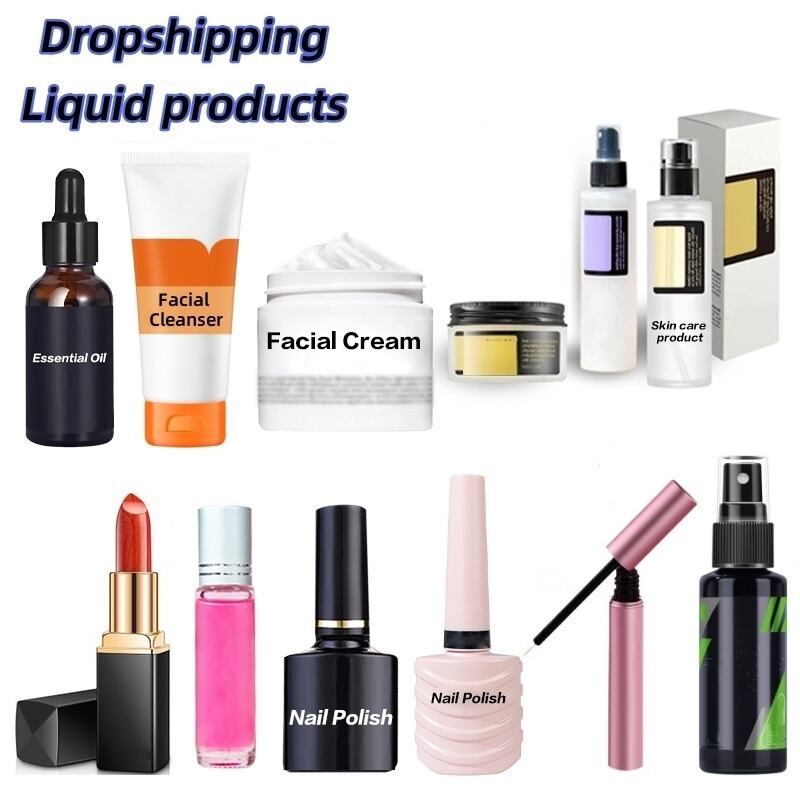
Skincare products, cosmetics, and beauty treatments often contain chemical ingredients that require regulatory approval and safety testing. Many overseas suppliers offer beauty products that haven't been tested for skin sensitivity or contain banned substances in certain markets. Selling these products can result in customer injuries, allergic reactions, and significant legal liability.
The beauty industry also faces strict labeling requirements that many dropshipped products fail to meet. Missing ingredient lists, incorrect usage instructions, or false claims about product benefits can trigger regulatory action and consumer complaints. The cost of defending against even unfounded safety claims can quickly exceed any profits from selling these risky products.
Restricted and Regulated Items
Weapons and Self-Defense Products
Any items that could be classified as weapons or self-defense tools carry enormous legal risks that vary significantly by jurisdiction. Products like stun guns, pepper spray, knives, or tactical equipment require special licenses to sell and ship in many locations. Even items that seem harmless can be classified as weapons depending on local laws and regulations.
Shipping restrictions for weapon-related products are particularly complex, with many carriers refusing to transport these items or requiring special handling procedures. International shipping becomes nearly impossible, severely limiting your potential market. The legal consequences of inadvertently shipping prohibited items across state or national borders can include criminal charges and substantial fines.
Adult and Age-Restricted Products
Products intended for adult use require age verification systems and special compliance measures that most dropshipping businesses are not equipped to handle. These items often violate the terms of service for major advertising platforms and payment processors, making it extremely difficult to market and sell them effectively. Additionally, shipping carriers may refuse to handle age-restricted items or require special documentation.
The compliance requirements for adult products extend beyond simple age verification to include detailed record-keeping, special packaging requirements, and adherence to various obscenity laws that vary by jurisdiction. The administrative burden and legal complexity make these products unsuitable for most dropshipping operations.
Intellectual Property Violations
Branded Merchandise and Knockoffs
Selling products that feature trademarked logos, copyrighted designs, or patented technologies without proper authorization represents one of the fastest ways to destroy a dropshipping business. Major brands actively monitor online marketplaces and pursue legal action against unauthorized sellers. Even if you're unaware that a product infringes on intellectual property rights, you can still face significant legal consequences.
The financial impact of intellectual property violations extends beyond legal fees to include damaged business relationships and lost selling privileges on major platforms. Many marketplaces have zero-tolerance policies for IP infringement and will permanently ban sellers after a single violation. This makes it essential to thoroughly research the legal status of any products before adding them to your inventory.
Pop Culture and Entertainment Merchandise
Items featuring characters from movies, TV shows, video games, or other entertainment properties are almost always protected by copyright and trademark laws. The entertainment industry is particularly aggressive in protecting their intellectual property rights and has sophisticated systems for identifying unauthorized merchandise. Even products that modify or parody original designs can still constitute copyright infringement.
The global nature of intellectual property law means that violations can result in legal action in multiple jurisdictions simultaneously. The cost of defending against copyright claims from major entertainment companies can quickly reach tens of thousands of dollars, even if you ultimately prevail in court.
Safety and Liability Concerns
Children's Products and Toys
Products intended for children face some of the strictest safety regulations in commerce, and violations can result in serious legal consequences. Many overseas suppliers offer toys and children's products that don't meet safety standards for lead content, choking hazards, or toxic materials. The liability exposure from selling unsafe children's products is enormous and can include both civil lawsuits and criminal charges.
Testing and certification requirements for children's products are extensive and expensive, making it impractical for most dropshippers to verify product safety independently. The Consumer Product Safety Commission actively monitors the market for unsafe children's products and can issue recalls that require you to track down and refund every item you've sold.
Automotive and Motorcycle Parts
Vehicle parts and accessories carry significant safety implications that create enormous liability risks for sellers. Brake components, steering parts, or safety equipment that fails during use can cause serious accidents and fatalities. The legal consequences of selling defective automotive parts can include both civil liability for damages and criminal charges for negligent homicide.
Many automotive parts also require specific certifications and testing to ensure they meet safety standards. Without proper documentation, you cannot verify that the products you're selling are safe for their intended use. The complexity of automotive regulations and the potential for catastrophic failures make this category unsuitable for most dropshipping businesses.
Platform and Payment Processor Restrictions
Prohibited Items on Major Marketplaces
Each selling platform maintains detailed lists of prohibited products that can result in immediate account suspension if violated. These restrictions often extend beyond legal requirements to include items that create customer service challenges or reputational risks for the platform. Understanding and adhering to these policies is essential for maintaining your selling privileges.
The consequences of violating platform policies can be severe and immediate, with some violations resulting in permanent account bans and forfeiture of funds held in your seller account. Many successful dropshippers have lost their entire businesses overnight by inadvertently listing prohibited items or failing to stay current with changing platform policies.
Payment Processor Compliance Issues
Credit card processors and payment services maintain their own lists of high-risk products and industries that can result in account freezes or termination. These restrictions often go beyond legal requirements to include items that generate high chargeback rates or customer complaints. Losing access to payment processing can effectively end your dropshipping business immediately.
The interconnected nature of payment processing means that violations with one provider can affect your ability to obtain services from other processors. Maintaining good standing with payment providers requires careful product selection and proactive compliance monitoring.
FAQ
What makes dropshipping products risky for new entrepreneurs
Risky dropshipping products typically involve legal compliance issues, safety concerns, or intellectual property violations that can result in significant financial losses, legal action, or business closure. New entrepreneurs often lack the experience and resources to properly evaluate these risks, making product selection one of the most critical decisions in building a successful dropshipping business.
How can I verify if a product is safe to sell through dropshipping
Research the regulatory requirements for your target markets, verify that products have proper certifications and testing documentation, check for any intellectual property restrictions, and review the policies of your intended selling platforms. Additionally, consider consulting with a lawyer who specializes in e-commerce law if you're uncertain about specific products or categories.
What should I do if I accidentally sell a prohibited product
Immediately stop selling the product, contact affected customers to arrange returns or exchanges, document all actions taken to remedy the situation, and consult with a legal professional if necessary. Quick action to address violations can help minimize potential consequences and demonstrate good faith efforts to comply with applicable laws and regulations.
Are there insurance options to protect against product liability in dropshipping
Product liability insurance is available for e-commerce businesses, but coverage varies significantly based on the types of products you sell and the insurance provider's risk assessment. Many policies exclude certain high-risk categories entirely, making careful product selection the most important protection against liability claims. Always review policy terms carefully and consider working with an insurance agent who understands e-commerce risks.